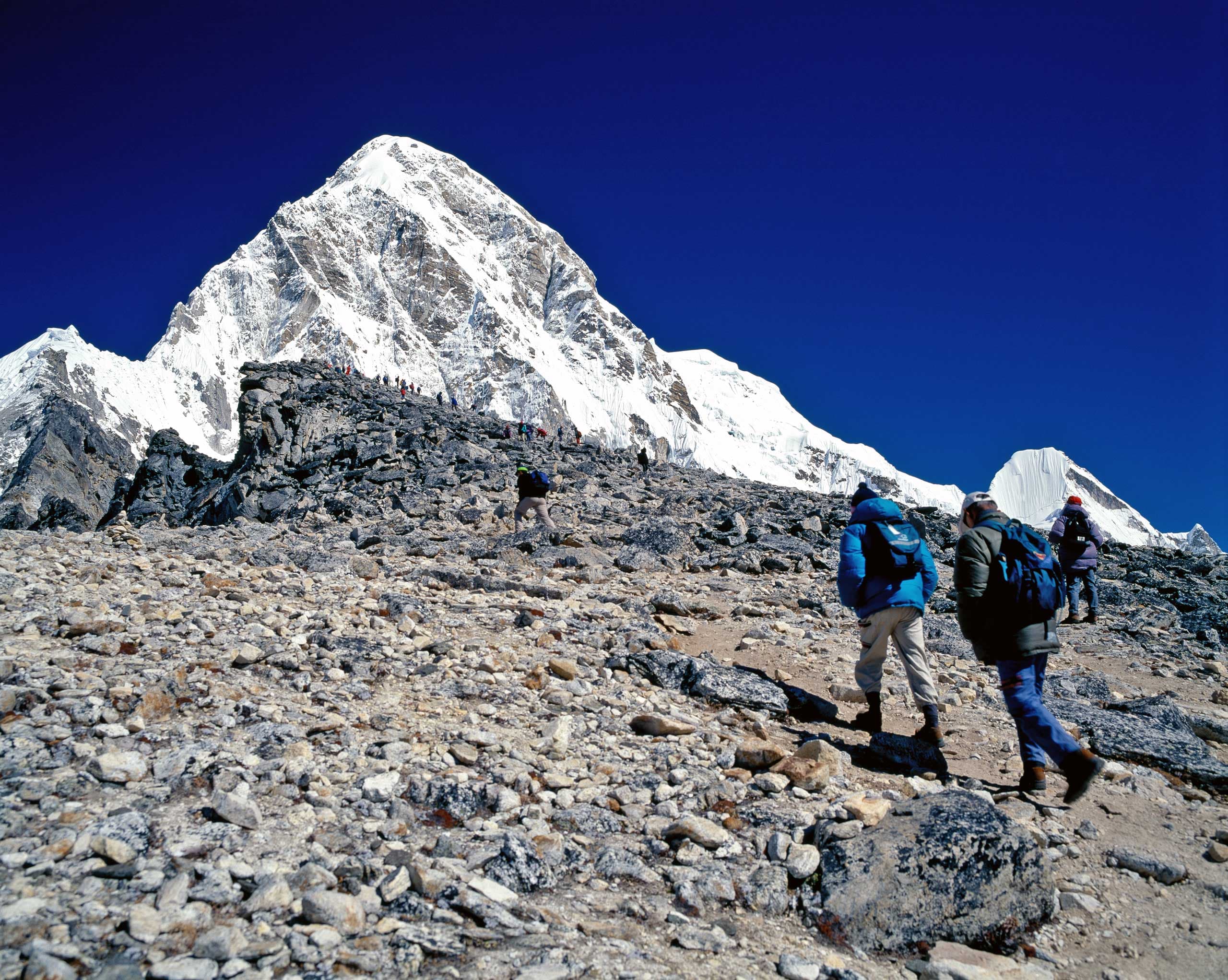
The first thing you notice in Everest is the silence.
The morning air is crisp, the sky is an endless blue, and the snow-covered Himalayan peaks rise beyond the rugged hills. As the sunlight slowly reaches the mountains, the valley begins to reveal itself. Small lodges with colorful rooftops sit along the rocky landscape, narrow trails connect the settlement, and a white Buddhist stupa with a golden spire stands peacefully on the hillside.
For a moment, everything feels still.
This is the beauty of staying in the Everest region of Nepal. Beyond the famous mountain peaks and challenging trekking trails lies a quieter experience, one shaped by mountain hospitality, traditional villages, and the simple pleasure of being surrounded by nature.
Waking Up in the Heart of the Himalayas
A morning in the Everest region begins differently from one in the city. There are no busy streets or hurried commutes. Instead, the day unfolds with the changing light, the movement of clouds across the mountains, and the gentle sounds of a village coming to life.
Stepping outside a mountain lodge, the landscape feels almost unreal. The surrounding hills are rugged and brown, while distant summits shine beneath the clear sky. The air is cold enough to make a warm cup of tea especially inviting.
Along the popular trekking routes, mountain teahouses and family-run lodges offer travelers a place to rest, enjoy freshly prepared meals, and prepare for the next stage of their journey. The accommodation is often simple, particularly at higher elevations, but the surroundings make every stay distinctive.
Here, a window overlooking the mountains can be more memorable than any luxury hotel room.
Where Mountain Life Meets Timeless Traditions
The Everest region is not defined by its scenery alone. It is also home to communities whose culture, traditions, and daily lives are deeply connected to the Himalayas.
Buddhist stupas, prayer flags, monasteries, and mani walls are familiar sights along many trails. They reflect the spiritual heritage of the region and add a sense of peace to the dramatic mountain landscape.
A stupa standing quietly beside a village trail may seem like a small detail against the enormous mountains, yet it tells a deeper story about the relationship between people, faith, and the environment.
Travelers can experience this cultural richness by taking time to explore local settlements, learning about Sherpa traditions, and respecting the customs of the communities they visit. A friendly conversation, a shared meal, or a few moments observing village life can become some of the most meaningful memories of a Himalayan journey.
The Comfort of Simple Things
Life in the Everest region encourages a different understanding of comfort.
After hours of walking along rocky trails, a warm dining room, a hearty meal, and a comfortable place to rest become genuine luxuries. As evening approaches and temperatures fall, trekkers gather inside their lodges, sharing stories and experiences from the trail.
Some have come to see Everest for the first time. Others have returned to the Himalayas in search of another adventure. Despite their different journeys, they share the same appreciation for the mountains and the remarkable experience of being there.
Outside, the landscape changes with the fading sunlight. Snow-covered peaks take on softer shades, long shadows stretch across the valley, and the village gradually settles into the quiet of the evening.
These are the moments that make staying in Everest more than a practical stop along a trekking route. They transform a journey into an experience worth remembering.
Every Season Brings a Different Story
The Everest region changes throughout the year, offering different experiences depending on the season.
Spring, from March to May, is a popular time for trekking, with increasingly warmer days and opportunities to enjoy clear mountain views. Autumn, from September to November, is another favored season, often bringing crisp air and excellent visibility.
Winter offers a quieter atmosphere and the possibility of snow-covered landscapes, although temperatures can be extremely low and some lodges may close. During the monsoon, clouds and rain can affect visibility and trail conditions, with considerable variation across the region.
Whatever the season, a successful trip requires thoughtful planning. The right itinerary, appropriate clothing, and sufficient time to acclimatize are essential, especially when traveling to higher elevations.
The mountains reward patience, and allowing time to adjust to the altitude makes the experience safer and more enjoyable.
Traveling Responsibly in Everest
The beauty of the Himalayas comes with a responsibility to protect the places and communities that make them special.
Travelers can help by reducing plastic waste, carrying reusable water bottles where practical, respecting local customs, and supporting locally operated lodges and businesses. Staying on established trails and following the guidance of experienced trekking professionals also helps reduce unnecessary risks and environmental impact.
Altitude deserves particular attention. As elevation increases, the body needs time to adapt to lower oxygen levels. A well-planned itinerary should include appropriate acclimatization, and symptoms such as headaches, nausea, dizziness, or unusual fatigue should never be ignored. Severe symptoms require immediate medical attention and descent.
With preparation, respect, and a willingness to travel at a sensible pace, the Everest region can be experienced with greater confidence and appreciation.
More Than a Destination
The mountains may be what first draw travelers to Everest, but the memories that remain often come from the moments in between.
A quiet morning beneath a brilliant blue sky. The warmth of a teahouse after a long day on the trail. The sight of prayer flags moving in the wind. The changing colors of the Himalayan peaks as sunlight travels across the valley.
These experiences remind us that travel is not always about reaching the highest point or completing the most challenging route. Sometimes, it is about slowing down enough to appreciate where we are.
Staying in the Everest region offers an opportunity to experience Nepal beyond its famous summits, discovering the landscapes, traditions, and everyday moments that give the Himalayas their enduring appeal.
At Everest Six-Summit Adventures, we believe that every Himalayan journey is an opportunity to discover something extraordinary, not only in the mountains, but also in the people, places, and experiences encountered along the way.
Because the true beauty of Everest is not found in the distance alone. It is found in the moments that make you want to stay a little longer.
Explore the Himalayas with Everest Six-Summit Adventures and discover your own story in the mountains.