
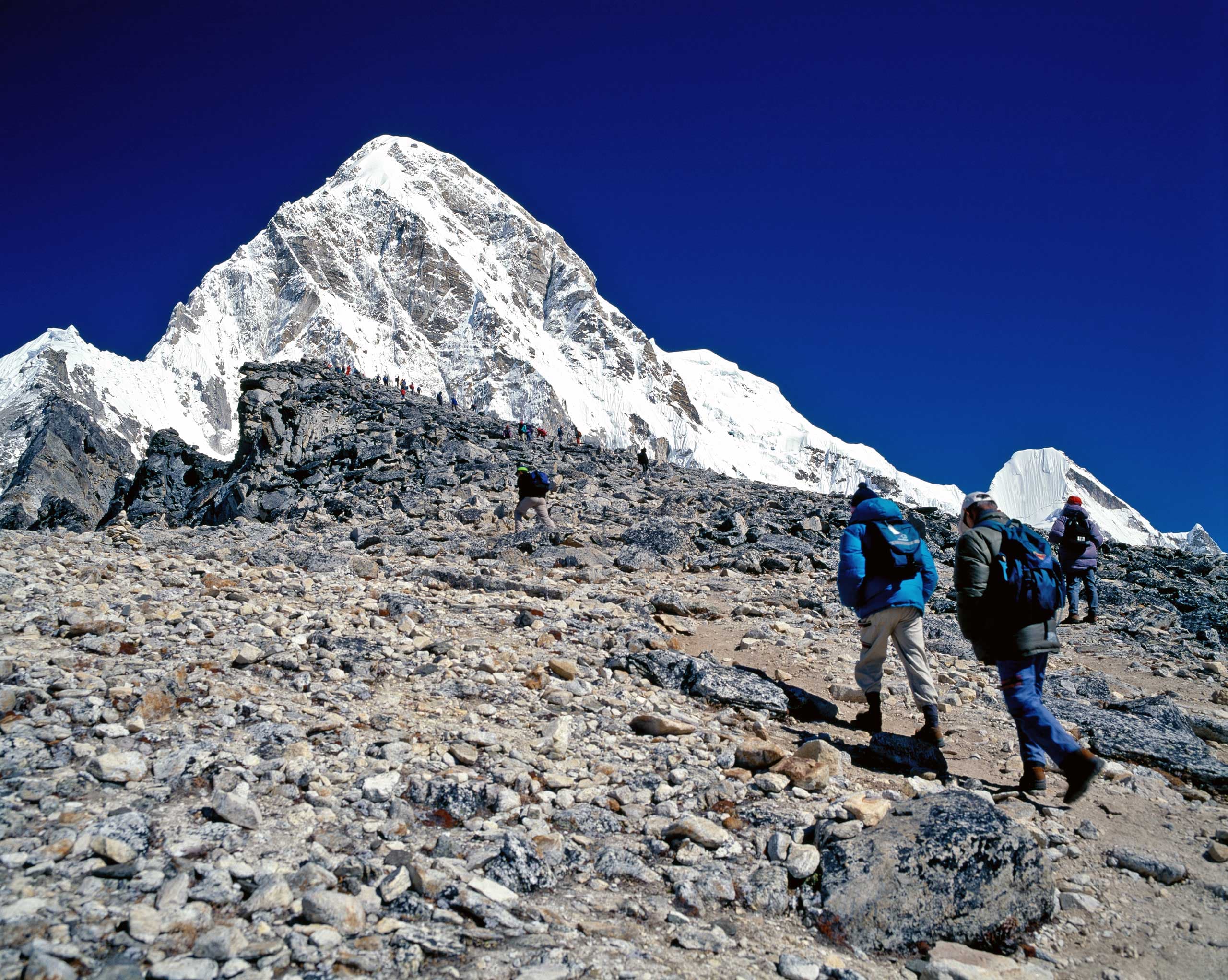
The Everest Base Camp Trek is one of the world's most iconic Himalayan trekking adventures. Located in Nepal's Khumbu region, the trek takes you through Sherpa villages, Buddhist monasteries, high mountain landscapes, and some of the most spectacular scenery in the Himalayas before reaching the base camp of Mount Everest.
For many trekkers, reaching Everest Base Camp is more than simply arriving at a destination. It is a journey through the heart of the Khumbu, where Himalayan culture, mountain scenery, challenging trails, and Sherpa hospitality come together.
This guide covers everything you need to know about the Everest Base Camp Trek, including the itinerary, altitude, difficulty, best seasons, permits, accommodation, cost, preparation, and practical trekking tips.
What Is the Everest Base Camp Trek?
The Everest Base Camp Trek is a multi-day Himalayan trekking route in Nepal that leads from the Lukla area through the Khumbu Valley to Everest Base Camp at approximately 5,364 meters (17,598 feet).
The classic route passes through popular mountain settlements including Namche Bazaar, Tengboche, Dingboche, Lobuche, and Gorak Shep before reaching Everest Base Camp.
Along the journey, trekkers can experience views of some of the world's highest mountains, including Mount Everest, Lhotse, Nuptse, Ama Dablam, Pumori, and Thamserku.
How Long Does the Everest Base Camp Trek Take?
A typical Everest Base Camp Trek takes around 12 to 16 days, depending on the itinerary, acclimatization schedule, transportation, weather conditions, and whether additional destinations are included.
A standard itinerary usually includes:
Kathmandu arrival and preparation
Flight to Lukla
Trek to Phakding
Trek to Namche Bazaar
Acclimatization in Namche
Trek to Tengboche
Trek to Dingboche
Acclimatization in Dingboche
Trek to Lobuche
Trek to Gorak Shep and Everest Base Camp
Return trek toward Lukla
Flight back to Kathmandu
A longer itinerary can include additional acclimatization days or destinations such as Gokyo Lakes, Cho La Pass, or other Khumbu viewpoints.
Everest Base Camp Trek Difficulty
The Everest Base Camp Trek is considered a challenging high-altitude trek rather than a technical mountaineering expedition.
You do not need previous mountaineering experience, but you should be prepared for:
Long days of walking
Steep and uneven trails
High-altitude conditions
Cold temperatures
Limited facilities at higher elevations
Significant elevation gain
Changing mountain weather
Physical preparation is important, but proper acclimatization is equally important. A carefully planned itinerary allows your body time to adjust to increasing altitude.
How High Is Everest Base Camp?
Everest Base Camp sits at approximately 5,364 meters (17,598 feet) above sea level.
The highest point commonly reached on the classic trek is Kala Patthar, which rises to approximately 5,545 meters (18,192 feet). Many trekkers climb Kala Patthar for panoramic views of Mount Everest and the surrounding Himalayan peaks.
Because of the elevation, altitude awareness and acclimatization should be a major part of your trekking plan.
Best Time for the Everest Base Camp Trek
The most popular seasons for the Everest Base Camp Trek are spring and autumn.
Spring: March to May
Spring generally offers favorable trekking conditions, clearer mountain views, and relatively stable weather. The landscape also becomes especially attractive as rhododendrons and other Himalayan vegetation bloom.
Autumn: September to November
Autumn is another highly popular trekking season. After the monsoon, the atmosphere is often clearer, providing excellent mountain visibility.
Winter: December to February
Winter brings colder temperatures and potential snow at higher elevations. Experienced trekkers may still trek during this period, but preparation for cold conditions is essential.
Monsoon: June to August
The monsoon season brings rain, clouds, and potentially challenging trail conditions. Trekking is still possible in some areas, but visibility and transportation conditions can be less predictable.
Everest Base Camp Trek Itinerary
A typical itinerary may look like this:
Day | Route | Approx. Highlight |
|---|---|---|
1 | Kathmandu | Arrival and preparation |
2 | Kathmandu–Lukla–Phakding | Begin Himalayan trek |
3 | Phakding–Namche Bazaar | Enter the Khumbu region |
4 | Namche | Acclimatization |
5 | Namche–Tengboche | Visit Tengboche |
6 | Tengboche–Dingboche | Mountain landscapes |
7 | Dingboche | Acclimatization |
8 | Dingboche–Lobuche | Enter higher altitude |
9 | Lobuche–Gorak Shep–Everest Base Camp | Reach EBC |
10 | Kala Patthar–Pheriche | Himalayan sunrise and descent |
11–13 | Return toward Lukla | Descend through Khumbu |
14 | Lukla–Kathmandu | Return to Kathmandu |
The exact itinerary can vary depending on the season, flight schedules, acclimatization requirements, and trekking preferences.
What Makes the Everest Base Camp Trek Special?
1. Mount Everest
The world's highest mountain is the defining attraction of the trek, but the journey also provides views of an entire Himalayan range.
2. Sherpa Culture
The Khumbu region is home to the Sherpa people, whose culture and traditions are deeply connected with the mountains.
3. Namche Bazaar
Namche Bazaar is the major trading and acclimatization center of the Khumbu region and an important stop on the Everest trail.
4. Tengboche Monastery
Tengboche is one of the most important Buddhist monasteries in the Everest region and is surrounded by spectacular mountain scenery.
5. Kala Patthar
Kala Patthar is one of the most popular viewpoints on the Everest Base Camp route, offering remarkable views toward Mount Everest, Nuptse, Pumori, and the surrounding peaks.
What Permits Are Required?
Trekkers in the Everest region generally need the applicable local and national trekking permits required for the route.
Requirements can change, so travelers should confirm the current permit requirements before departure.
A reputable trekking agency can help arrange the necessary documentation and explain which permits are required for your specific itinerary.
Where Do You Stay During the Trek?
Accommodation on the classic Everest Base Camp route is primarily provided by tea houses and trekking lodges.
Facilities become more basic as you travel to higher elevations. Most tea houses provide:
Private or shared rooms
Beds and blankets
Dining areas
Hot meals
Basic charging facilities
Hot showers in many lower-altitude locations
Availability and facilities can vary significantly at higher elevations.
What Food Is Available?
Trekkers can find a variety of meals along the Everest route, including traditional Nepali food and common trekking dishes.
Popular choices include:
Dal Bhat
Momos
Sherpa stew
Noodles
Rice and vegetables
Soups
Eggs
Pasta
Tibetan-style bread
Dal Bhat is particularly popular among trekkers because it provides a substantial meal containing rice, lentils, vegetables, and other sides.
How Much Does the Everest Base Camp Trek Cost?
The cost of an Everest Base Camp Trek varies depending on the itinerary, group size, accommodation, guide and porter services, transportation, permits, meals, insurance, and other inclusions.
Budget, standard, and premium trekking packages can therefore have significantly different prices.
When comparing trekking packages, look beyond the headline price and check what is actually included, such as:
Airport transfers
Domestic flights
Accommodation
Meals
Trekking guide
Porter
Permits
Insurance or emergency support
Equipment
Kathmandu accommodation
What Should You Pack for Everest Base Camp?
A practical Everest Base Camp packing list should include:
Trekking boots
Thermal base layers
Fleece or insulating layers
Down jacket
Waterproof jacket
Trekking trousers
Warm hat and gloves
Sunglasses
Sunscreen
Water bottles or hydration system
Sleeping bag
Trekking poles
Headlamp
Personal medication
First-aid essentials
Power bank
Backpack or duffel bag
Your exact equipment requirements depend on the season and itinerary.
Do You Need a Guide for Everest Base Camp?
The need for a guide depends on the current regulations, route, and trekking arrangement. Even when independent trekking may be possible on a particular route, traveling with a qualified local guide can provide practical benefits such as navigation support, cultural insight, itinerary management, and assistance during unexpected situations.
For first-time Himalayan trekkers, professional support can also make logistics significantly easier.
Everest Base Camp Trek Safety and Altitude
Altitude is one of the most important considerations on the Everest Base Camp Trek.
Trekkers should:
Follow a gradual acclimatization schedule
Stay hydrated
Avoid rushing to higher elevations
Pay attention to symptoms of altitude illness
Inform your guide immediately if you feel unwell
Follow professional medical advice when necessary
Altitude-related symptoms should never be ignored.
Travel insurance that covers high-altitude trekking and emergency evacuation is also an important consideration.
Why Trek with Himalayan Adventure Team?
At Himalayan Adventure Team, our goal is to help travelers experience the Himalayas with thoughtful planning, local knowledge, and responsible trekking practices.
From itinerary planning and permits to guides, accommodation, transportation, and on-trail support, our team can help organize your Everest adventure around your schedule, experience, and trekking goals.
Whether you are planning your first Himalayan trek or returning to Nepal for another adventure, the Everest region offers an experience that goes far beyond reaching a single destination.
Frequently Asked Questions About Everest Base Camp Trek
How many days does Everest Base Camp Trek take?
The classic Everest Base Camp Trek generally takes around 12–16 days, depending on the itinerary and acclimatization schedule.
Is Everest Base Camp Trek difficult?
The trek is challenging because of its duration, elevation, steep trails, and high-altitude environment. However, it does not require technical mountaineering skills.
What is the best month for Everest Base Camp Trek?
March–May and September–November are generally considered the main trekking seasons because of favorable weather and mountain visibility.
What is the altitude of Everest Base Camp?
Everest Base Camp is approximately 5,364 meters (17,598 feet) above sea level.
Can beginners do the Everest Base Camp Trek?
Yes. Many first-time Himalayan trekkers complete the Everest Base Camp route. Good physical pr